Algoa Baywatch Project
Long-Term Monitoring of Marine Fauna

The Algoa Baywatch Project has a long-term vision focused on monitoring the marine fauna living in Algoa Bay, particularly cetaceans, as well as other threatened and endangered species such as sharks and penguins. To achieve this, we conduct photo-identification studies, bioacoustic monitoring, drone surveys, and focal follows of animals whenever they are sighted from the vessel.
Although the exceptional biodiversity of the area has been evident since the early 2000s through observations made by Raggy Charters, the systematic recording of sightings and associated metadata began in 2024. This marked the start of a structured monitoring programme, enabling more robust scientific analyses of species distribution, abundance, behaviour, and habitat use within Algoa Bay.
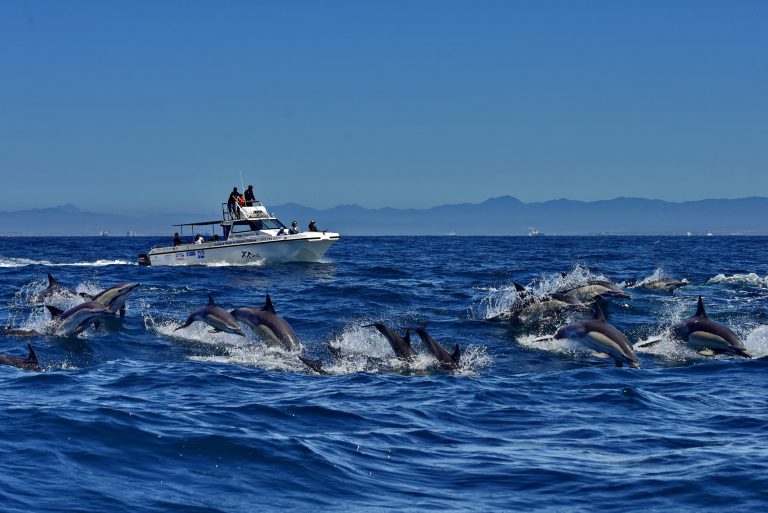
Our research is based on opportunistic data collected during the eco and whale-watching tours operated by Raggy Charters.
We aim to support the expansion of the marine protected areas already established within the bay, enhancing the protection of marine wildlife from threats such as cargo ship traffic, underwater noise pollution, chemical pollution, vessel collisions with marine mammals, bunkering activities, and other human-related impacts.
Sightings (2024 to 2026)
Opportunistic data collection is primarily concentrated in the area between the Port Elizabeth harbour and St. Croix Island. However, occasional trips to Bird Island have enabled us to record additional marine fauna throughout the broader Algoa Bay region.
The high biodiversity observed in the bay is likely linked to the concentration of plankton in the western part of Algoa Bay, which provides a rich food source for a wide variety of marine species. To strengthen the scientific value of our findings, the data are being standardised and incorporated into a robust monitoring methodology with dedicated survey effort. Although the data are collected opportunistically, our surveys record an average of approximately five sightings during a four-hour survey period.
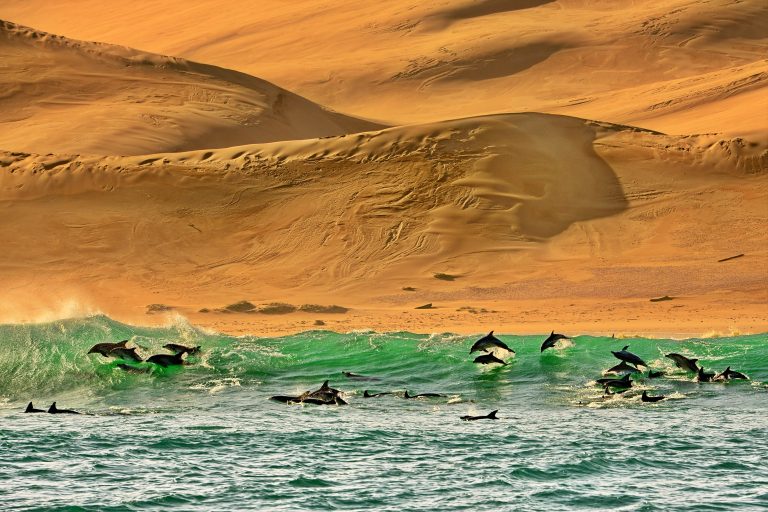
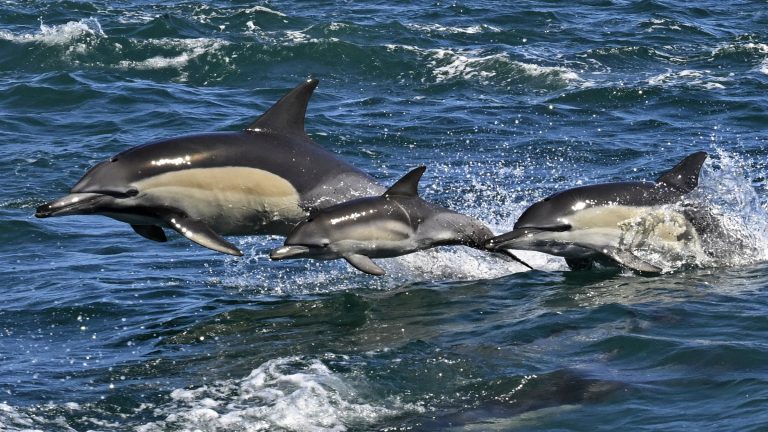
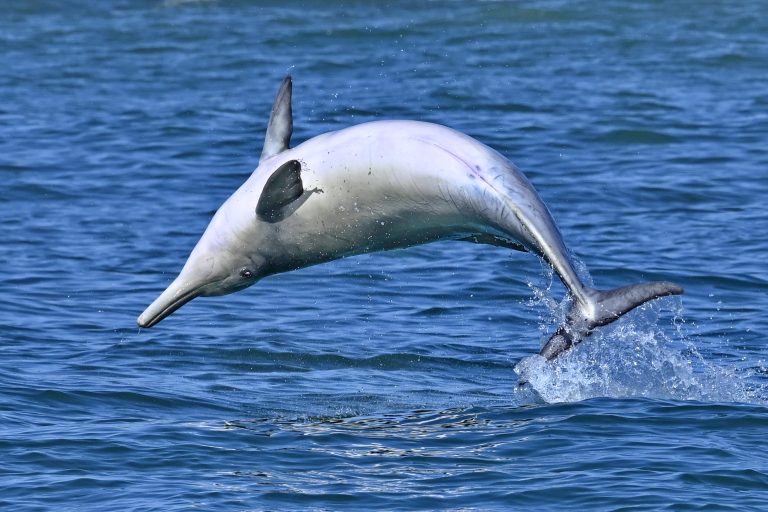
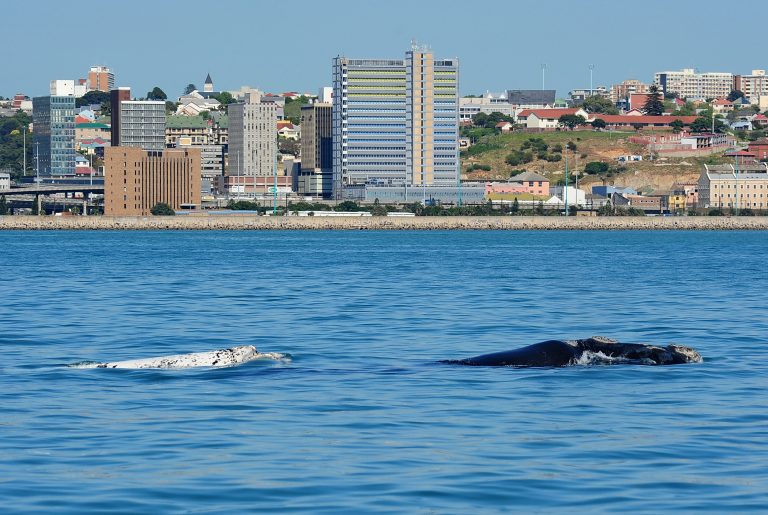
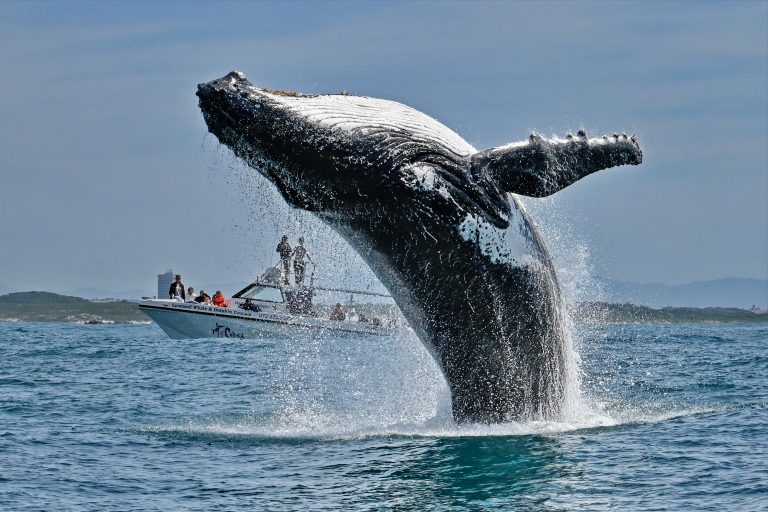
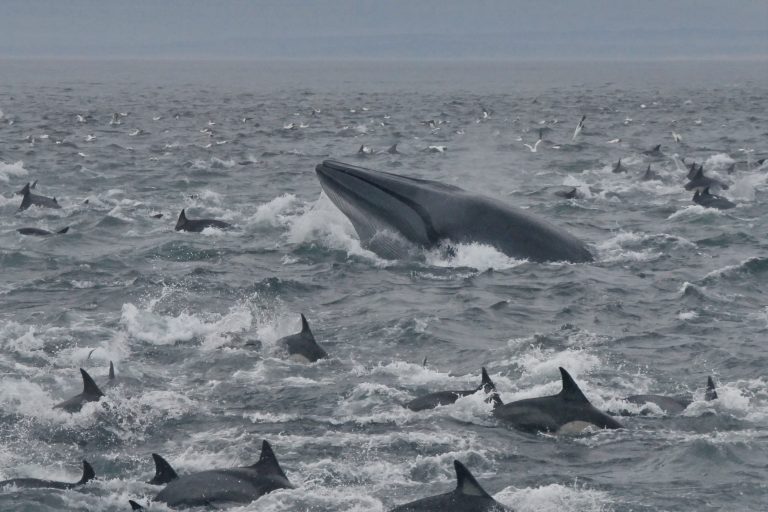
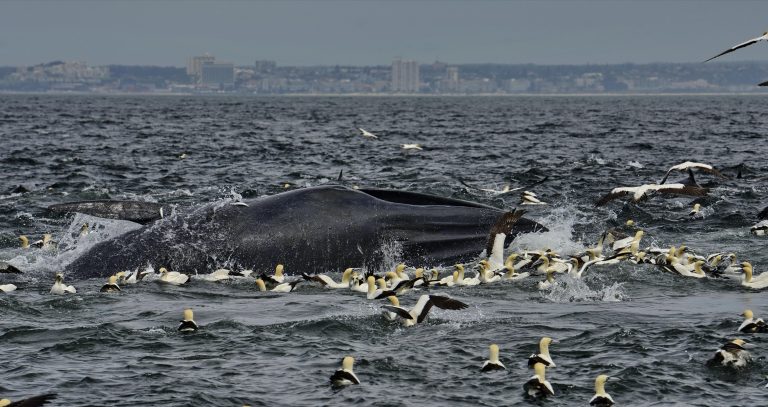
Species recorded to date include the Indo-Pacific bottlenose dolphin, Indo-Pacific humpback dolphin, long-beaked common dolphin, common bottlenose dolphin, Bryde’s whale, humpback whale, southern right whale, killer whale, and false killer whale.
In addition, we have recorded sightings of several other important marine species, including shortfin mako sharks, white sharks, manta rays, African penguins, and Cape fur seals, among many others. These observations further highlight the ecological significance and exceptional biodiversity of Algoa Bay.
Algoa Bay Gallery