Addo Canyons Project
The Addo Canyons Research Project is our newest and most pioneering initiative. Launched in January 2026, the project’s ultimate goal is to support the establishment of a Marine Protected Area (MPA) within the Addo submarine canyon system.
These canyons are shaped by a range of interconnected physical, chemical, and biological processes, including ocean currents, upwelling events, nutrient cycling, primary productivity, species aggregations, and complex food-web interactions. Together, these processes create highly productive ecosystems that support an exceptional diversity of marine life. The submarine canyons act as hotspots of biodiversity, providing essential habitat and feeding grounds for numerous species.
Remarkably, these canyons are located only 60 km from the shoreline. Despite their proximity to the coast, much of this underwater environment remains largely unexplored and poorly understood. How is it possible that such a unique ecosystem exists so close to us, yet so little is known about it?
Due to the high operational costs associated with offshore research, very few organisations are able to conduct regular surveys in this area. As a result, we are currently among the only groups dedicating consistent effort to studying and documenting these pristine waters and their canyon ecosystems.
Through ongoing research and monitoring, we aim to improve scientific understanding of the Addo Canyons, highlight their ecological importance, and provide the evidence needed to support their long-term conservation and protection.
Sightings from 2026
With only 14 surveys conducted to date, we have already recorded 58 sightings within the Addo Canyons area. As observed in Algoa Bay, these canyons support a remarkable diversity of marine mammals, many of which appear to share the same habitat.
However, many questions remain unanswered. How are these species using the canyon environment? At what depths and in which parts of the canyon are they found? Do they interact with one another, and if so, how? What ecological processes support such an impressive abundance of top predators in a relatively small area?
These are just some of the questions that require further research and detailed investigation. The Addo Canyons represent a unique natural laboratory, offering an exceptional opportunity to improve our understanding of marine ecosystem dynamics and predator-prey relationships in offshore environments.
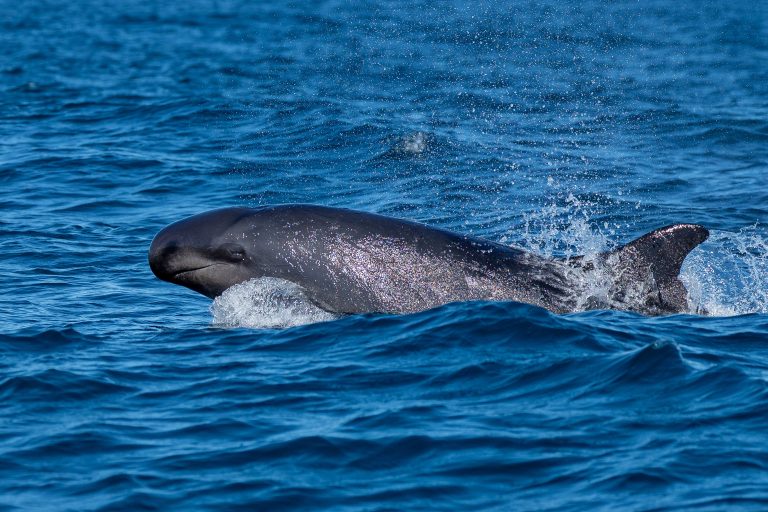
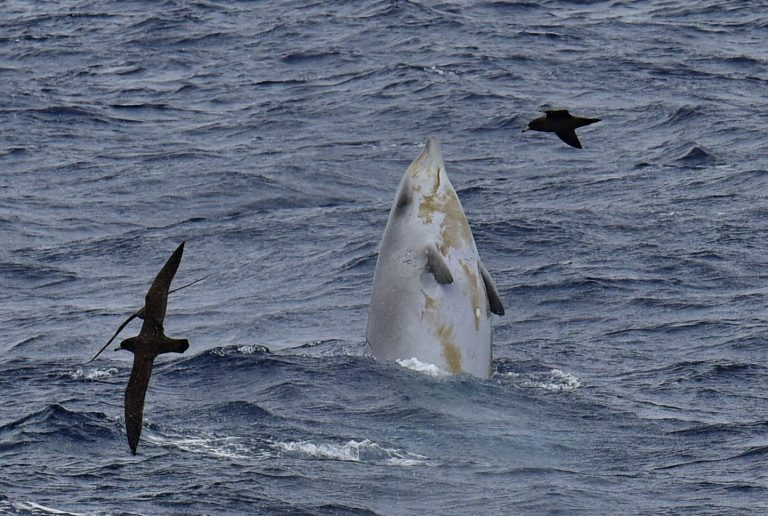
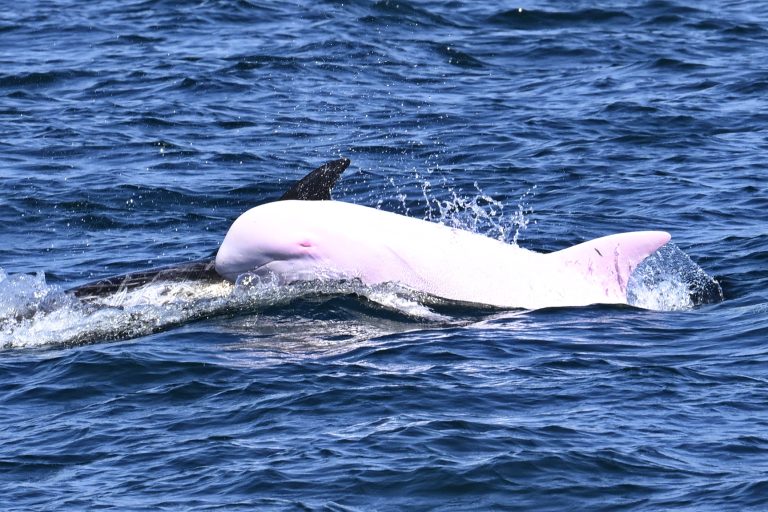
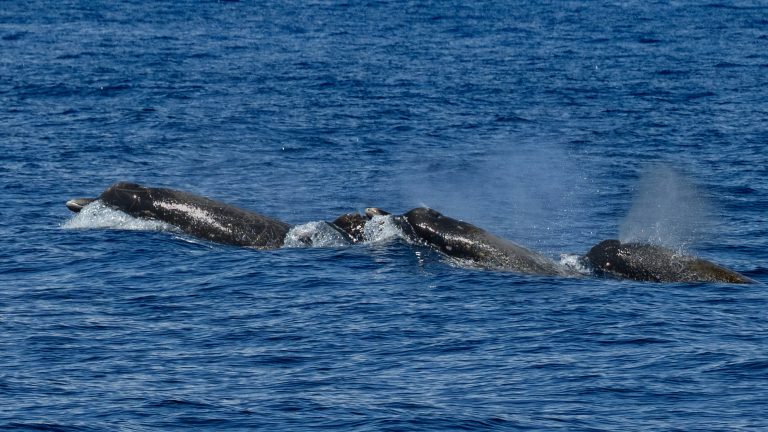
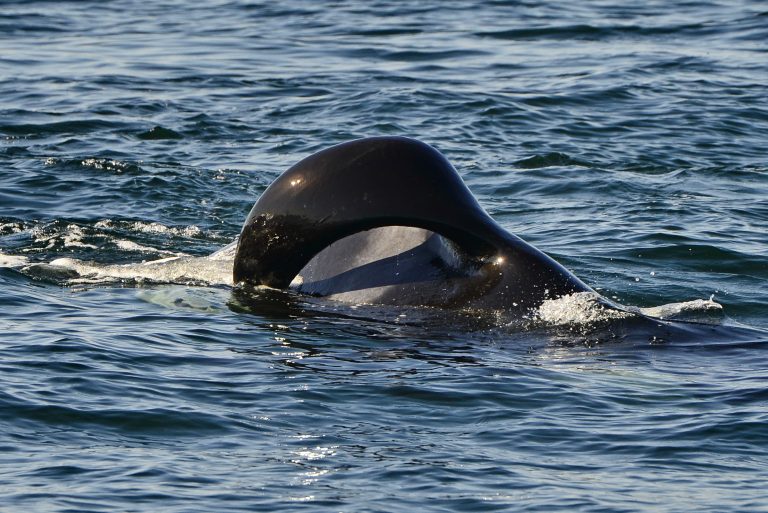
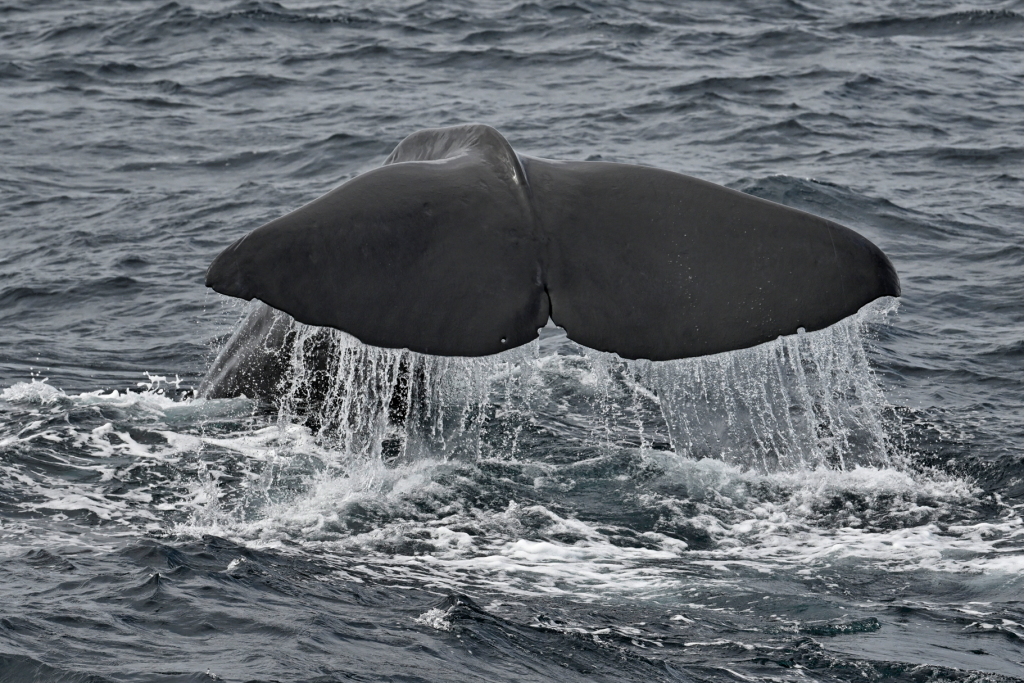
Despite the limited survey effort to date, the area has already revealed extraordinary biodiversity. Species recorded include Bryde’s whales, common bottlenose dolphins, long-beaked common dolphins, humpback whales, long-finned pilot whales, pygmy killer whales, Risso’s dolphins, sperm whales, and striped dolphins, among others.
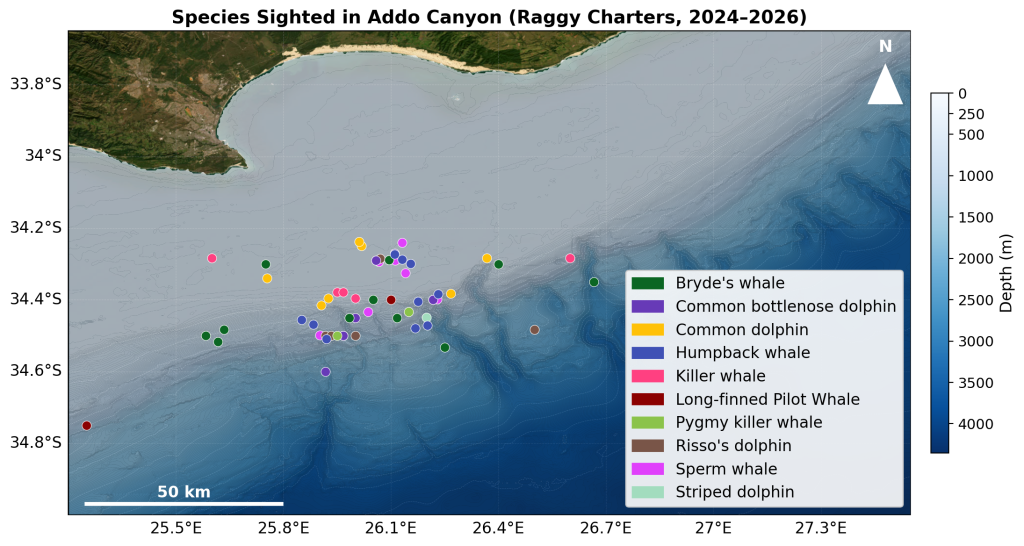
The presence of such a diverse assemblage of marine megafauna strongly suggests that the Addo Canyons are a biologically important ecosystem and a critical habitat for numerous species. Continued research is essential to understand the ecological significance of the area and to provide the scientific evidence needed to support its future protection.
Addo Canyons Gallery